

Dental Bonding Dublin: The Complete 2026 Guide to Composite Bonding Costs, Process & Results
TO GET STARTED – BOOK A FREE CONSULT ›
If you’ve caught your reflection in a shop window and noticed that small chip on your front tooth, you’re not alone. Dental bonding has become one of the most requested cosmetic treatments at our clinics, and for good reason. It’s quick, affordable, and transforms teeth in a single morning visit.
We’ve helped hundreds of Dublin patients close gaps, fix chips, and reshape worn edges without drilling or anaesthetic. Think of composite bonding as a skilled sculptor working with tooth-coloured clay, building up your smile one careful layer at a time.
This guide walks you through everything: real costs, what happens during the appointment, how long results last, and whether dental bonding is the right choice for your specific concern.
Our Composite Bonding Prices
€250 per tooth or get more for less:
| No of teeth | Price |
|---|---|
| 1 chipped tooth | €150 |
| 1 full tooth | €250 |
| 6 teeth (6 top or bottom) | €1,099 |
| 8 teeth (8 top or bottom) | €1,299 |
| 10 teeth (10 top or bottom) | €1,499 |
| 12 teeth (12 top or bottom) | €1,699 |
What Is Dental Bonding and How Does It Work?
Dental bonding uses composite resin, a putty-like material that starts soft and hardens under a special blue light. The dentist applies it directly to your tooth, shapes it to match your natural enamel, then polishes it until it catches the light just like the rest of your smile.
Here’s the thing: we don’t remove tooth structure. Unlike veneers, which require shaving down enamel, composite bonding adds material onto the existing tooth. It’s additive, not subtractive.
The resin itself has come a long way. Modern composites contain nano-ceramic particles that mimic the translucency and strength of real enamel. In good light, bonded teeth and natural teeth are genuinely hard to tell apart.
The process takes about 30-60 minutes per tooth. No injections. No drilling. Just careful layering, shaping, and polishing.
Common Issues Fixed with Dental Bonding
We see patients for bonding who want to fix:
- Chips and cracks from sports injuries, falls, or just biting down on something hard at the wrong angle
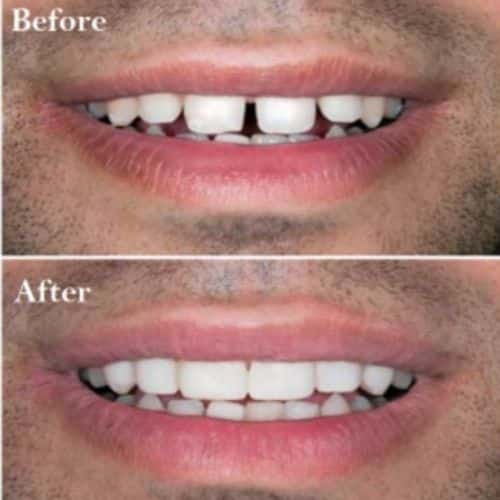
- Gaps between front teeth that make people self-conscious in photos
- Worn or short teeth from grinding or acid erosion (often the canines and front incisors)
- Discoloured patches that don’t respond to teeth whitening
- Uneven tooth edges that create a jagged, irregular smile line
- Minor misalignment where braces feel like overkill but the tooth just sits slightly out of place
One of our Mount Merrion patients came in with a chipped front tooth from a cycling accident. Forty-five minutes later, she smiled in the mirror and teared up. The tooth looked whole again, like the accident never happened.
That’s the quiet power of cosmetic bonding Dublin. It doesn’t announce itself. It just restores what was lost.
Dental Bonding Cost: What You’ll Actually Pay in 2026
Most dental bonding Dublin cases cost between €150 and €350 per tooth, depending on the complexity and how much reshaping is needed.
Edge bonding (just repairing a chip or smoothing a rough edge) sits at the lower end. Full composite bonding Dublin that reshapes the entire visible surface of a tooth costs more, usually €300-€350.
That’s less than a decent dinner out for two, and the results last 5-7 years with proper care.
We offer payment plans for treatments over €1,000, so if you’re doing multiple teeth, you can spread the cost over 12 months with a €200 minimum monthly payment. We also work with Humm financing for more flexible options.
Compare that to porcelain veneers (€800-€1,200 per tooth) or crowns (€1,000+), and you’ll see why tooth bonding Dublin has become the go-to for budget-conscious cosmetic work.
Honestly, the price-to-impact ratio is hard to beat. You walk in with a visible flaw, walk out an hour later with a seamless smile, and the investment is a fraction of more invasive treatments.
The Dental Bonding Process: What to Expect at Your Appointment
Here’s how a typical dental bonding Dublin appointment unfolds at our composite bonding service:
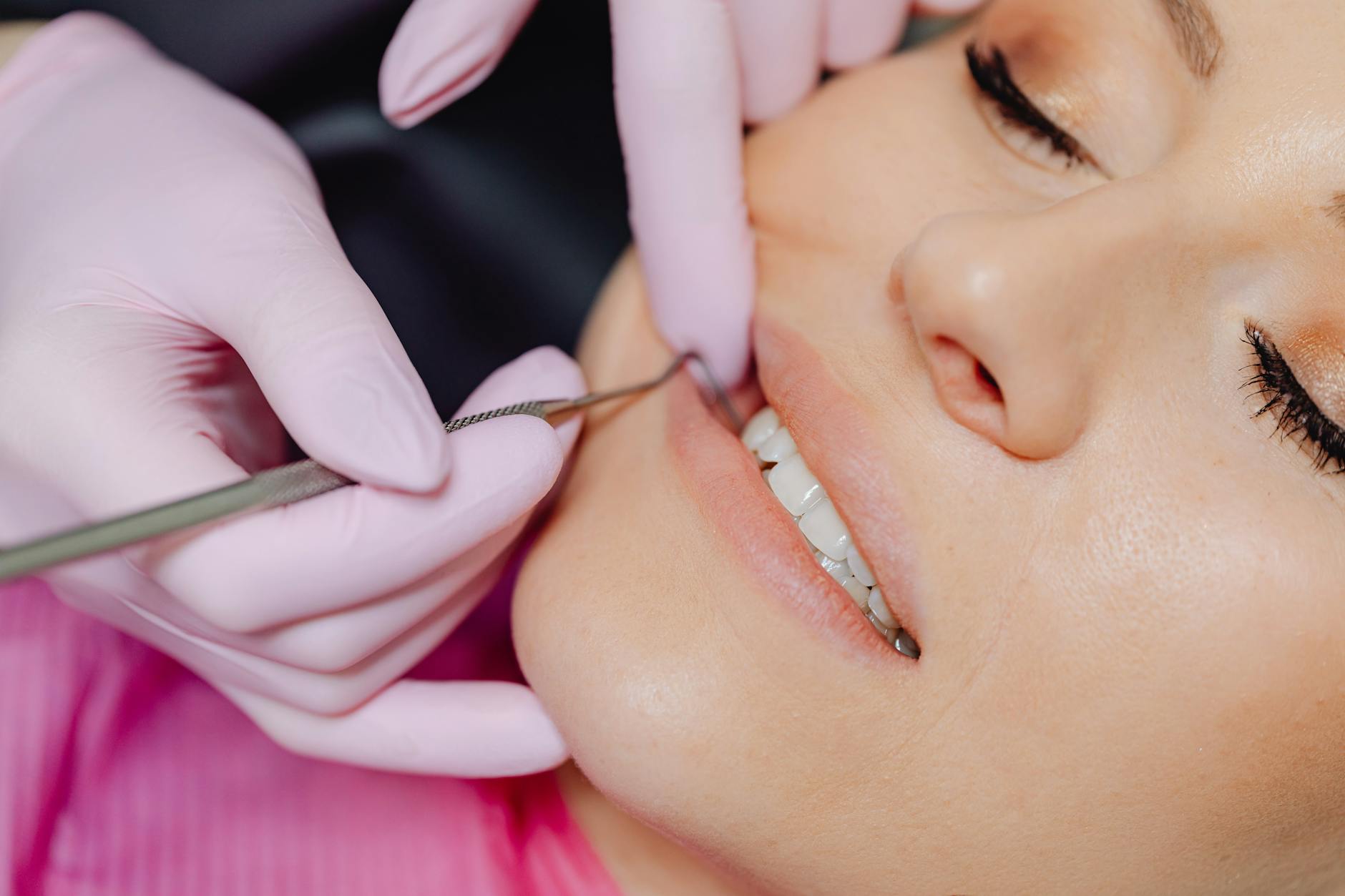
Step 1: Consultation and shade matching. We examine your tooth, discuss what you want to achieve, and select a resin shade that blends perfectly with your natural enamel. This takes about 10 minutes.
Step 2: Tooth preparation. We lightly roughen the surface with a mild etching gel. This creates tiny grooves for the resin to grip onto. No drilling. No pain. Just a quick 30-second rinse.
Step 3: Applying the composite resin. The dentist applies the putty-like material in thin layers, sculpting as they go. Think of it like icing a cake, one careful layer at a time.
Step 4: Curing with UV light. After each layer, a blue LED light hardens the resin in about 20 seconds. This locks the shape in place and makes it strong enough to bite on immediately.
Step 5: Shaping and polishing. Once the buildup is complete, we trim, contour, and polish the bonding until it feels smooth against your tongue and looks indistinguishable from your natural teeth.
The whole process takes 30-60 minutes per tooth. You can go straight back to work, eat normally, and smile without worry.
(And we get asked this all the time: No, it doesn’t hurt. Most patients don’t even need anaesthetic unless we’re bonding near the gum line and you have sensitive teeth.)
Composite Bonding vs Edge Bonding: What’s the Difference?
We offer two types of bonding at White Smile Dental, and the distinction matters for both cost and outcome.
Edge bonding repairs small chips, cracks, or worn edges. The composite is applied only to the damaged area, leaving most of your natural tooth visible. It’s ideal for minor cosmetic fixes and sits at the lower end of the price range (€150-€250 per tooth).
Composite bonding covers the entire front surface of the tooth. We use this when you want to change the shape, close gaps, mask discolouration, or create a more uniform smile line. It’s more comprehensive, takes longer, and costs €250 per tooth.
Think of edge bonding as a patch job. Composite bonding is a full resurface.
Both use the same high-grade resin. Both last 5-7 years. The difference is how much of the tooth we’re reshaping.
During your consultation at our Dublin clinics, we’ll examine your teeth and recommend which approach gives you the best result for your budget.
How Long Does Dental Bonding Last?
Expect 5-7 years before your bonding needs a touch-up or replacement. Some patients get 8-10 years if they’re diligent about care.
The lifespan depends on a few things:
- Where the bonding is. Front teeth take less biting force than molars, so bonding on incisors lasts longer.
- Your habits. If you chew ice, bite pens, or grind your teeth at night, the resin will wear faster. (We can fit you with a night guard if grinding is an issue.)
- Staining exposure. Coffee, red wine, and smoking can gradually discolour composite resin, just like natural enamel. The bonding won’t stain as easily as your teeth, but it’s not immune.
- Maintenance. Regular polishing at your hygiene appointments keeps the surface smooth and shiny.
When bonding does eventually wear down or chip, it’s easy to repair. We simply remove the old resin, apply fresh composite, and you’re good for another 5-7 years.
One patient at our Cabra clinic had bonding done in 2017. She came back in late 2024 for a polish and minor touch-up. The original work held up beautifully for seven years, and the refresh took 20 minutes.
Caring for Your Bonded Teeth: Do’s and Don’ts
Looking after dental bonding is straightforward. Treat it like your natural teeth, with a few small adjustments.
Do:
- Brush twice daily with a soft-bristled toothbrush and non-abrasive toothpaste
- Floss gently around the bonded tooth (it won’t damage the resin)
- Visit your hygienist every 6 months for a professional clean and polish
- Wear a night guard if you grind your teeth
- Rinse your mouth after drinking coffee or red wine to minimise staining
Don’t:
- Bite into hard foods with your front teeth (apples, crusty bread, ribs—cut them first)
- Chew ice, pens, or fingernails
- Use your teeth as tools to open packets or bottles
- Skip dental checkups (we catch small chips early before they get worse)
Composite bonding is durable, but it’s not indestructible. A little common sense goes a long way.
Is Dental Bonding Right for You?
Bonding works beautifully for minor to moderate cosmetic concerns. It’s ideal if you want:
- A quick fix (same-day results)
- Minimal tooth preparation (no drilling or enamel removal)
- An affordable option compared to veneers or crowns
- A reversible treatment (bonding can be removed and replaced)
It’s not ideal if:
- You have severe tooth decay or structural damage (you’ll need a crown or filling first)
- You want a permanent, ultra-durable solution (porcelain veneers last 10-15 years)
- You’re looking to whiten severely discoloured teeth (bonding masks stains but doesn’t change the underlying tooth colour)
If you’re unsure whether composite bonding Dublin is the right fit, book a consultation at one of our four Dublin clinics. We’ll assess your teeth, explain your options, and give you a clear cost breakdown with no pressure.
The Dental Council of Ireland regulates all cosmetic dental treatments, so you can be confident you’re in safe, qualified hands at White Smile Dental.
Dental Bonding Dublin at White Smile Dental: Our Locations
We offer dental bonding Dublin at four convenient locations across the city:
-
- Mount Merrion (Dublin 4) – Find us on Google Maps
- Cabra (Dublin 7) – Find us on Google Maps
- Perrystown (Dublin 12) – Find us on Google Maps
Each clinic offers the same high standard of care, the same materials, and the same pricing. Choose whichever location suits your commute or schedule.
We also work closely with the Irish Dental Association to stay current on best practices and continuing education, so you’re getting treatment that reflects the latest techniques and materials.
Frequently Asked Questions About Dental Bonding Dublin
How long does dental bonding take in Dublin?
A single tooth takes 30-60 minutes. If you’re doing multiple teeth, expect 90 minutes to 2 hours depending on complexity. Most patients complete their dental bonding Dublin treatment in one appointment and walk out with a finished smile the same day.
How much does dental bonding cost in Dublin?
Dental bonding Dublin costs between €150 and €250 per tooth. Edge bonding (minor chip repairs) sits at the lower end, while full composite bonding (reshaping the entire tooth) costs €250. We offer payment plans for treatments over €1,000.
Does dental bonding hurt?
No. Dental bonding is pain-free in the vast majority of cases. We don’t drill or remove enamel, so anaesthetic isn’t usually needed. Some patients with very sensitive teeth may feel slight discomfort during the etching step, but it’s brief and mild.
Can dental bonding be whitened?
No. Once the composite resin is set, it won’t respond to whitening treatments. If you’re planning to whiten your teeth, do it before getting bonding so we can match the resin to your newly whitened shade. The bonding itself won’t change colour with bleaching agents.
How do I find the best dental bonding near me in Dublin?
Look for clinics with before-and-after photos, clear pricing, and qualified cosmetic dentists. White Smile Dental has three Dublin locations offering dental bonding with transparent costs and experienced practitioners. Check reviews on our Google Maps profiles to see real patient experiences.
Is dental bonding better than veneers?
It depends on your goals and budget. Dental bonding is faster, cheaper (€150-€350 vs €800-€1,200 per tooth), and reversible. Veneers last longer (10-15 years vs 5-7) and resist staining better, but require removing enamel. For minor cosmetic fixes, bonding is often the smarter choice.
Will my dental bonding stain over time?
Composite resin can pick up surface stains from coffee, tea, red wine, and smoking, but it’s more stain-resistant than natural enamel. Good oral hygiene and regular polishing at your hygiene appointments keep bonding looking fresh. If staining does occur after several years, we can polish or replace the bonding.

Ready to Fix That Chip or Close That Gap?
Dental bonding offers a same-day solution to chips, gaps, and worn teeth without the cost or commitment of veneers. You’re in and out in under an hour, with a smile that looks natural and feels seamless.
If you’ve been avoiding photos or hiding your teeth when you laugh, it’s worth a conversation. Book a consultation at any of our four Dublin clinics and we’ll walk you through your options, show you what’s possible, and give you a clear price with no surprises.
This is the kind of treatment that changes how you see yourself. Quiet confidence, the kind that doesn’t need to announce itself. Just a smile that feels right again.